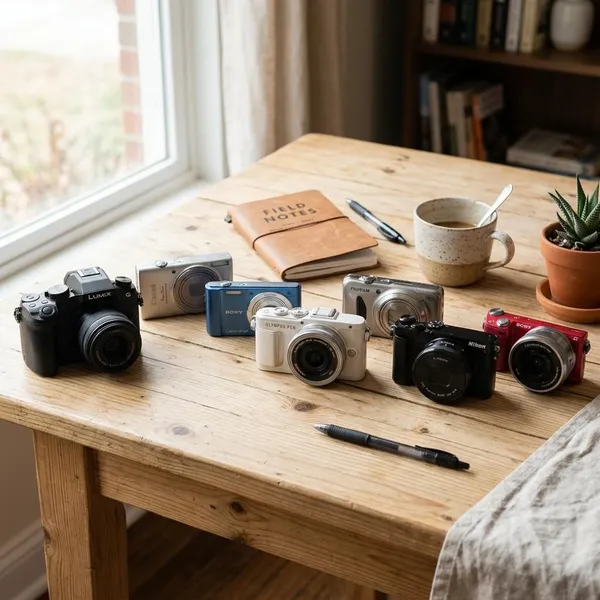
Affordable digital cameras are worth considering when you want zoom, a real grip, a simple point-and-shoot feel, or better still photos than a budget phone can manage. The best choice is not always the newest model; for many buyers, a used DSLR or mirrorless camera gives the strongest value, while a cheap new compact makes more sense for casual fun.
Best Affordable Digital Cameras to Buy
Start with the job you want the camera to do. A pocket compact is easy to bring to a party, a bridge camera is better for distant subjects, and a used interchangeable-lens camera is usually the smarter route if image quality matters most.
| Camera | Best fit | Main trade-off |
|---|---|---|
| Canon EOS R100 | Learning photography with a new camera | Lens costs can add up |
| Kodak PIXPRO FZ55 | Casual pocket photos and retro-style fun | Limited in low light |
| Panasonic Lumix FZ80D | Travel, wildlife, and long zoom | Small sensor image quality |
| Kodak PIXPRO WPZ2 | Beach, pool, and rough family use | Durability matters more than image quality |
| Sony a6000 | Compact used mirrorless system | Older menus and modest battery life |
| Nikon D3500 | Best still-photo quality on a tight budget | Bulkier and less video-focused |
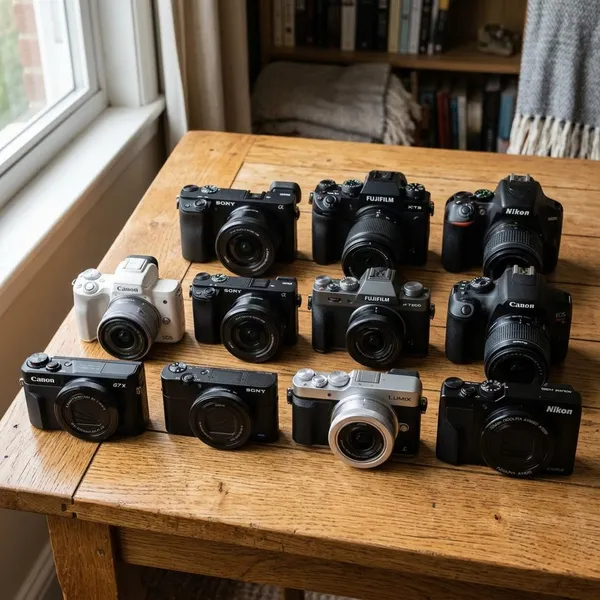
Canon EOS R100 for learning photography
The Canon EOS R100 is a sensible new-camera choice for beginners who want to learn aperture, shutter speed, lenses, and basic editing without buying used gear. Its APS-C sensor gives a clear step up from most cheap compact cameras, and the body is small enough for family days out or travel.
Kodak PIXPRO FZ55 for pocket-friendly fun
The Kodak PIXPRO FZ55 is not trying to beat a serious camera. It makes sense when you want a small, inexpensive point-and-shoot for daylight snapshots, nights out with flash, or a nostalgic digicam look without hunting through used listings.
- Good fit: teens, casual travel, parties, and everyday bag carry.
- Weak fit: indoor sports, low-light portraits, or buyers expecting phone-level processing.
Panasonic Lumix FZ80D for wildlife and travel
The Panasonic Lumix FZ80D is useful because of its built-in long zoom. For a zoo trip, a coastal walk, sightseeing, or a child's sports day, being able to frame faraway subjects matters more than having the biggest sensor.
Use it mostly in good light and you will get the best from it. If you often shoot indoors, at night, or want soft portrait backgrounds, a used APS-C camera will usually be more satisfying.
Kodak PIXPRO WPZ2 for water and rough use
The Kodak PIXPRO WPZ2 is a practical specialty camera for places where you would hesitate to use a phone or a nicer mirrorless body: pool days, sandy beaches, boat trips, muddy hikes, or family travel with kids handling the camera.
Sony a6000 for a compact camera system
The Sony a6000 is still one of the easiest used mirrorless cameras to recommend because it is small, quick enough for everyday photos, and backed by a large E-mount lens system. It suits someone who wants better travel, street, family, or portrait photos but does not want a bulky DSLR kit.
Nikon D3500 for image quality on a budget
The Nikon D3500 is the budget pick for someone who mainly cares about still photos. A clean used D3500 with a kit lens can produce better detail, cleaner indoor shots, and more natural portraits than most new low-cost compact cameras.
- Choose it for: learning photography, travel photos, school events, family portraits, and long battery life.
- Avoid it for: pocket carry, frequent video, or situations where size will stop you from bringing it.
Should You Buy a New or Used Digital Camera?
New is better when you want a simple, low-risk purchase. Used is better when you want the most image quality, controls, and lens options for the money. The mistake is assuming the cheaper listing is automatically the better deal; condition, accessories, and return options matter just as much.
Buy new for a warranty and simple setup
Buy new if the camera is a gift, your first camera, or something you need to work without inspection. A warranty, clean accessories, and easy returns are worth paying for when you do not want to judge shutter count, battery wear, lens haze, or seller reliability.
Buy new for a low-cost compact camera
A new compact camera makes sense when the goal is convenience rather than maximum quality. If you want something small for holidays, social photos, or a phone-free shooting experience, a basic compact can be enjoyable even if the image quality is modest.
Be realistic in dim light. Cheap compacts usually work best outdoors, near windows, or with flash; they are not magic upgrades for dark restaurants or fast-moving indoor scenes.
Buy used for better image quality
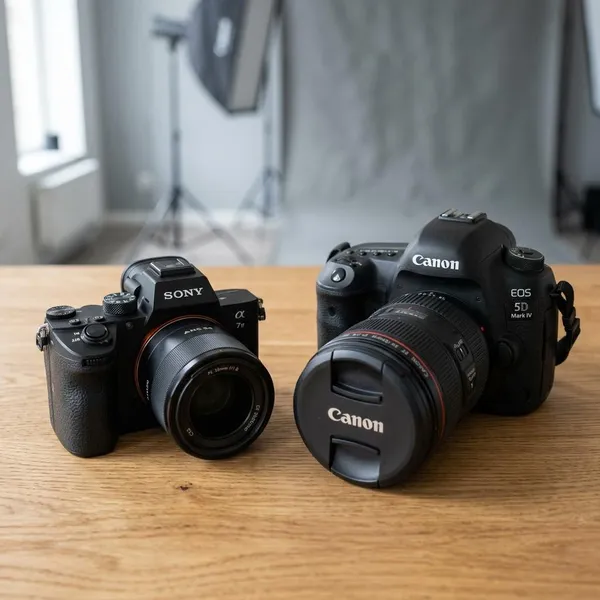
Used cameras usually win when photo quality is the priority. Older APS-C DSLRs and mirrorless bodies often have larger sensors than new budget compacts, which helps with low light, detail, dynamic range, and background separation.
Buy used for more manual controls
Used interchangeable-lens cameras often give you proper PASM modes, dials, raw files, hot shoes, and lens choice. Those features matter if you want to learn why a photo looks the way it does instead of leaving every decision to auto mode.
Buy used for cheaper lenses and accessories
Older Canon and Nikon DSLR systems can be especially affordable because lenses, chargers, flashes, bags, and spare batteries are widely available secondhand. That can make the full setup cheaper than a newer body with limited low-cost lens options.
- New is the safer buy when warranty, returns, and simplicity matter most.
- Used is the better value when you can inspect the gear and want stronger photo results.
- The full kit decides affordability, not the camera body alone.
How to Choose an Affordable Digital Camera
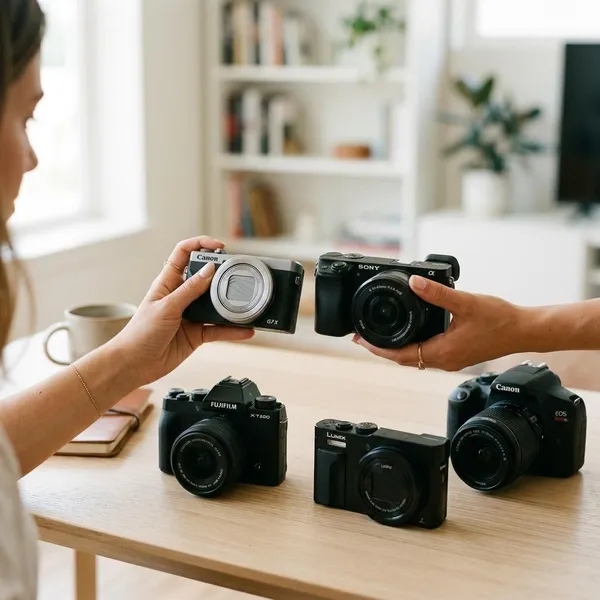
The fastest way to choose well is to decide what would make you disappointed. Too bulky to carry? Too weak in low light? Not enough zoom? No room to learn? Once you know the likely failure point, the right type of camera becomes much clearer.
Match the camera to your main use
Choose the camera around your most common use, not the most impressive feature. For a weekend city trip, size and battery life may matter more than lens upgrades. For birds, wildlife, or stadium seats, zoom reach matters more. For portraits and indoor family photos, sensor and lens quality should come first.
Choose the right sensor size
Small sensors are fine for bright outdoor snapshots and pocket convenience. APS-C and Micro Four Thirds cameras are better when you want cleaner indoor photos, more editing flexibility, and a more noticeable step up from a phone.
Check the included lens
The lens can decide whether a deal is actually good. A cheap body without a usable lens may cost more after you add one, while a modest camera with a clean kit lens can be ready to use immediately.
- Kit zoom: fine for learning, travel, and general family photos.
- Small prime lens: better for portraits, low light, and background blur.
- Long zoom: useful for wildlife, sports, and distant travel details.
Compare autofocus and video limits
Do not judge video by resolution alone. A camera may list decent video specs but still have weak autofocus, poor stabilization, heavy crop, or awkward audio options.
If you only shoot still photos, older DSLRs can be excellent. If you want casual vlogs, children running around, or travel clips while walking, look for real-world sample footage and comments about autofocus reliability.
Check size and weight
The best camera is not helpful if you stop carrying it. A DSLR may be comfortable and capable, but a small mirrorless or compact camera is easier to bring on a normal day out.
Include accessories in your budget
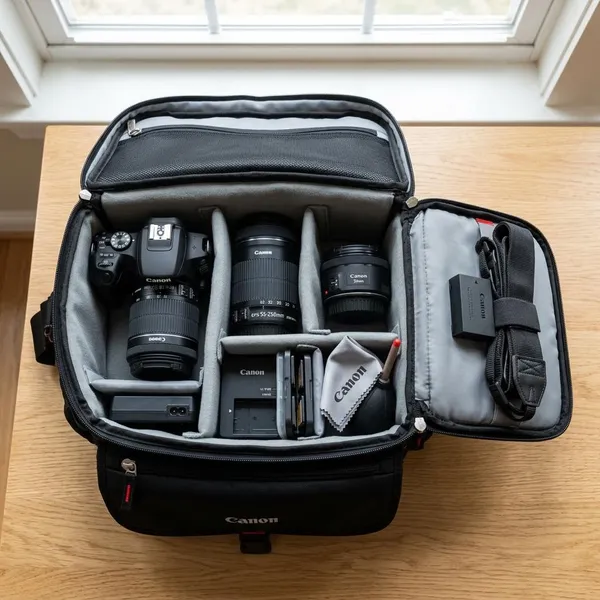
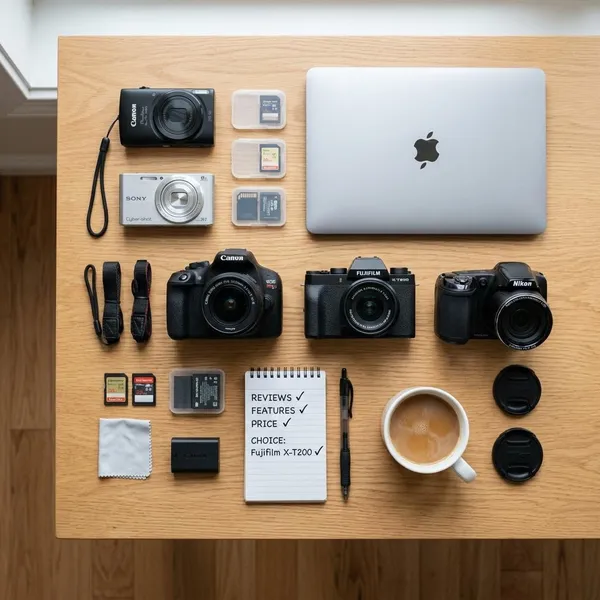
Set your budget for the complete setup, not just the body. At minimum, allow for a memory card, usable battery, charger, and some way to carry the camera safely.
- Check included items: battery, charger, strap, lens caps, cables, and memory card.
- Price the first upgrade: a spare battery, portrait lens, or longer zoom may change the value.
- Avoid rare systems if lenses and batteries are hard to find at reasonable prices.
How to Check a Used Digital Camera
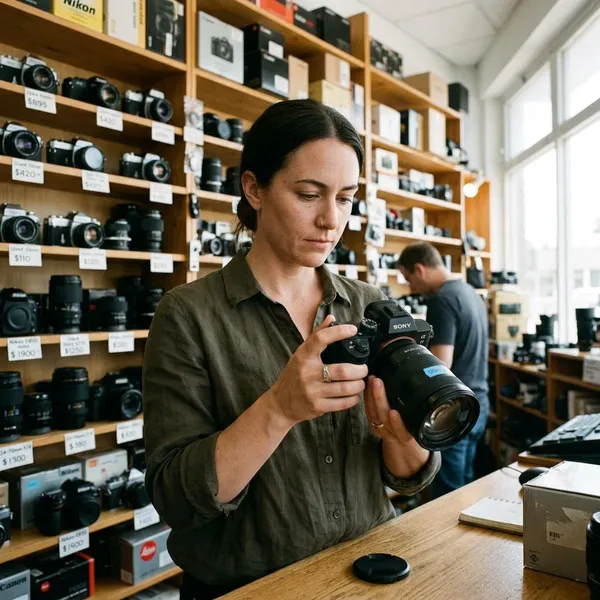
A used camera can be the best bargain in the category, but only if the condition matches the price. Check the outside first, then take test photos, then confirm battery, accessories, and return terms before paying.
Inspect the body for damage
Look for cracks, dents, missing port covers, loose doors, corrosion, and signs of impact around the corners, hot shoe, tripod mount, battery compartment, and card slot. Light scuffs are normal; broken plastic, bent metal, or moisture marks are reasons to slow down or walk away.
Check the sensor and lens
Take a photo of a bright plain surface and review it for obvious spots, marks, or strange streaks. A little dust can be normal, but scratches or stubborn marks on the sensor are a bigger concern.
Test autofocus and controls
Take photos of near and far subjects, then zoom in during playback to see whether focus actually lands where expected. Test every button, dial, menu, touchscreen function, flash, viewfinder, and card-writing function you can access.
- Sticky buttons: annoying for casual use and worse for learning manual settings.
- Worn dials: a problem if exposure settings jump or fail to change.
- Card errors: a warning sign you should not ignore.
Review the shutter count
Shutter count is a wear clue, not a final verdict. A very high count should lower the price, especially on entry-level models, but a low-count camera can still be poor value if it was stored badly or has lens and battery problems.
Check the battery and ports
Make sure the battery charges, holds power long enough for a basic test, and fits securely in the camera. If replacements are cheap and easy to find, a tired battery may be manageable; if the battery is rare, factor that into the price.
Inspect USB, HDMI, microphone, remote, and charging ports where relevant. Loose sockets or bent pins matter more if you plan to transfer files by cable, record audio, or charge while traveling.
Confirm the return policy
Before paying, confirm whether you can return the camera if a fault appears after normal testing. Specialist used retailers often cost more than private sellers, but grading, returns, and short warranties can be worth it for beginners.
Conclusion
The smartest affordable camera is the one that fits how you will actually use it: a cheap compact for fun, a rugged model for rough trips, a bridge camera for zoom, or a used DSLR or mirrorless body for stronger photos. If you are unsure, spend less on the newest body and more attention on condition, lens choice, and whether you will really carry it.