If you are wondering, are bluetooth headphones bad for you, the practical answer is: usually not because of Bluetooth itself. For most people, the bigger risks are loud volume, wearing them for too many hours without breaks, poor fit, dirty ear tips, and reduced awareness in traffic or public spaces.
How Bluetooth Radiation Works
Bluetooth headphones use wireless signals, but the type and strength of those signals matter. The word "radiation" can sound alarming, yet Bluetooth sits in a low-power, non-ionizing category that is very different from X-rays or other high-energy radiation.
Bluetooth uses low-power radiofrequency signals
Bluetooth works through radiofrequency signals that are designed for short distances, such as from your phone in your pocket to earbuds in your ears. Because the devices are close together, they do not need the same transmission power as a phone reaching a faraway cell tower.
That does not mean exposure is zero. It means the signal is typically low-power during normal music, podcast, video, or call use.
Bluetooth radiation is non-ionizing
Bluetooth radiation is non-ionizing, which means it does not have enough energy to break chemical bonds or directly damage DNA in the way ionizing radiation can. It is closer to the type of low-energy wireless exposure used by Wi-Fi and other common consumer devices.
Current research has not shown clear evidence that normal Bluetooth headphone use causes brain damage, cancer, or similar serious effects. Scientific monitoring continues, but for an everyday listener, the better-supported concern is still sound exposure.
Bluetooth transmits at lower power than most phones
A phone can transmit at higher power than Bluetooth headphones, especially during calls in weak-signal areas. That is one reason Bluetooth earbuds are generally considered a relatively low source of radiofrequency exposure compared with holding a mobile phone against your head.
- For long phone calls: speaker mode or wired headphones can reduce wireless exposure further.
- For normal listening: Bluetooth headphones are usually a low-exposure choice when used sensibly.
- For anxious users: choosing wired headphones is a reasonable preference, even if Bluetooth risk appears low.
Exposure changes with power distance and usage time
Exposure is not decided by one factor. Power output, distance from the body, signal strength, and total wearing time all affect the amount of exposure you receive.
A short commute with wireless earbuds is a very different scenario from wearing them through work, workouts, calls, and evening videos every day. Even then, the more practical health question is usually whether your ears are getting too much sound and too little rest.
The Main Risks of Bluetooth Headphones
The real risks are less mysterious than many people expect. Bluetooth headphones can be part of a healthy routine, but they can also become a problem when they are too loud, worn nonstop, poorly cleaned, or used in places where you need to hear what is happening around you.
High volume can damage hearing
High volume is the clearest and most proven risk. Your ears respond to sound intensity and duration, not whether the sound came through Bluetooth or a cable. If your ears ring, feel muffled, or need higher volume than before, treat that as a warning sign.
Long sessions can cause ear fatigue
Long sessions can leave your ears feeling tired, blocked, sensitive, or sore even when the volume is moderate. This is common for people who wear headphones through remote work, online classes, gaming, commuting, and evening entertainment.
Poor hygiene can irritate the ears
Earbuds and ear cushions collect sweat, skin oils, wax, and dust. That buildup can cause itching, odor, blocked sound ports, or skin irritation, especially with in-ear earbuds after workouts.
- After exercise: wipe them and let them dry before charging or storing.
- With shared headphones: clean contact surfaces before use.
- With silicone ear tips: remove visible wax and replace worn tips when they no longer seal well.
Tight fits can cause pressure and pain
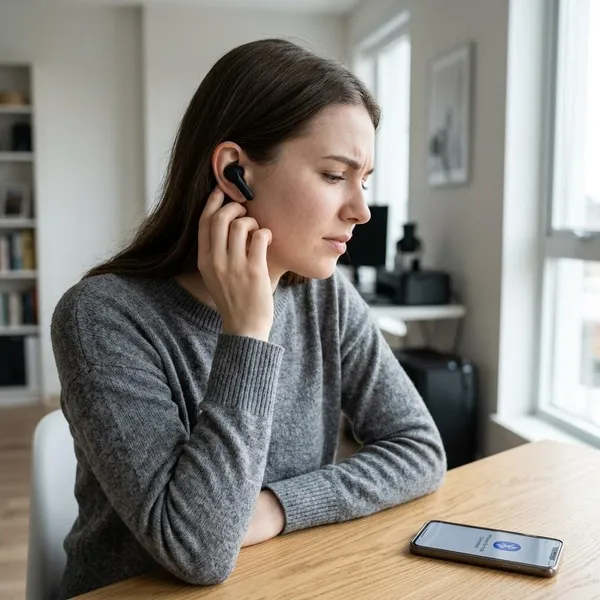
A tight fit can press on the ear canal, outer ear, jaw area, or the sides of the head. Bigger ear tips are not always better; a seal that feels secure for ten minutes may become painful after an hour.
If you keep adjusting your earbuds, feel sore after calls, or notice tenderness around one ear, try a smaller tip, a different headphone style, or shorter sessions. Comfort is not just a preference because pain often leads people to ignore early warning signs.
Noise isolation can reduce situational awareness
Noise isolation and active noise cancellation can be useful in loud indoor places because they help you hear clearly at a lower volume. The same feature can be risky near roads, bike lanes, train platforms, or anywhere you need to hear announcements, alarms, or approaching vehicles.
How to Use Bluetooth Headphones Safely
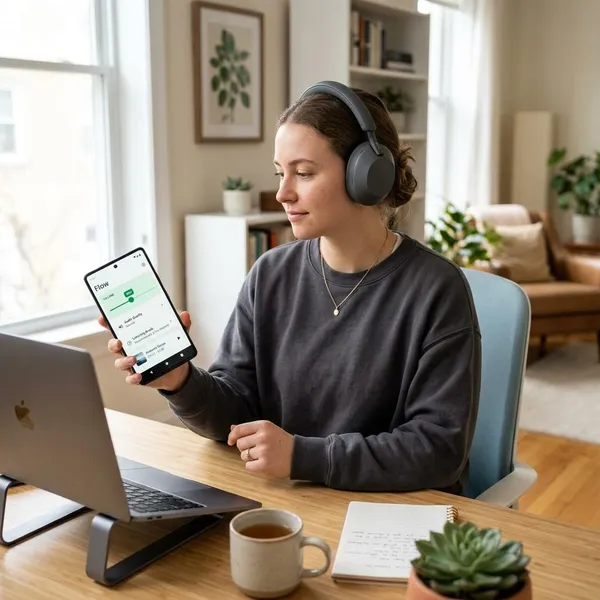
Safe use is mostly about setting a few limits before problems show up. The first things to check are your usual volume, your total daily listening time, how your ears feel afterward, and whether your headphones are clean and comfortable.
Keep the volume below 60 percent
The 60 percent rule is a useful everyday starting point, not a perfect medical boundary. If your normal setting is much higher, especially in noisy places, your ears may be getting more sound exposure than you realize.
Try lowering the volume for a few days instead of judging it immediately. Many people adjust quickly once their ears stop expecting louder sound.
Monitor average sound levels
Many phones can show headphone audio levels, weekly listening trends, or volume warnings. Those tools are useful because hearing risk builds quietly; you may not notice a problem until your habits are already too loud or too long.
Check patterns rather than one listening session. A weekend movie is not the same as five days of loud commuting plus work calls plus gym playlists.
Take breaks during long sessions
If you wear headphones for hours, build in short breaks before your ears feel tired. Removing them between meetings, during chores, or between episodes gives your ears and attention a reset.
- Occasional listening: a normal commute or short workout is usually low concern if the volume is moderate.
- All-day use: schedule quiet gaps and avoid keeping earbuds in when you are not actively listening.
- After discomfort: stop for the day if pain, ringing, or muffled hearing appears.
Use noise cancellation in loud places
Noise cancellation can protect your hearing when it stops you from raising the volume to overpower background noise. It is especially useful on planes, trains, buses, and in busy offices.
Clean earbuds and ear cushions regularly
Cleaning does not need to be complicated. Wipe surfaces that touch your skin, remove visible debris from ear tips, and let damp parts dry before storing them. People who sweat in their headphones may need to clean them much more often than someone who only uses them at a desk.
Stop listening if pain or ringing develops
Pain, pressure, ringing, or muffled hearing after listening is not something to push through. Stop, lower the volume next time, shorten the session, and check whether the fit is causing pressure.
If ringing, pain, dizziness, discharge, or hearing changes persist, get medical advice. It is better to treat repeated symptoms as a signal early than to normalize them as part of headphone use.
Bluetooth Headphones vs Wired Headphones
The safer choice depends on what you are trying to avoid. Wired headphones remove Bluetooth radiofrequency exposure, while Bluetooth headphones remove cables and are often easier for movement. Neither option protects your hearing if you listen too loudly.
Both can damage hearing at high volume
Wired and Bluetooth headphones can both damage hearing when the volume is high enough for long enough. If hearing safety is your main concern, volume limits, listening breaks, and reducing background noise matter more than the connection type.
Wired models avoid Bluetooth radiofrequency exposure
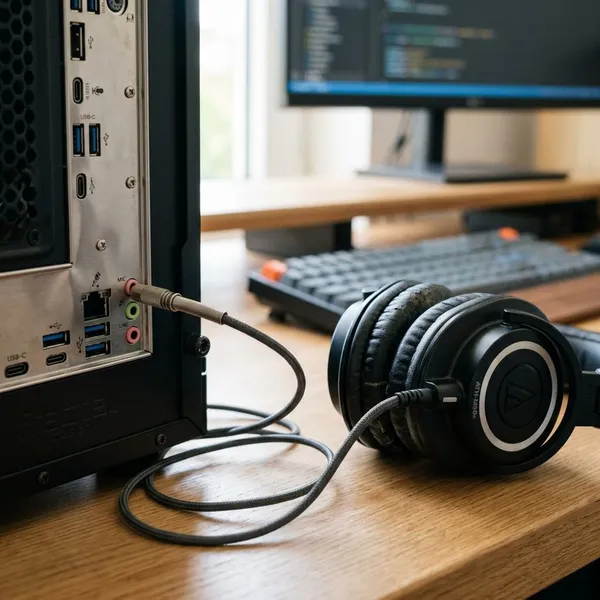
Wired headphones are the straightforward choice if you want to minimize wireless signals near your head. That may be reassuring for long calls, sensitive users, or anyone who simply prefers a no-wireless setup.
Bluetooth models offer more freedom of movement
Bluetooth headphones make sense for commuting, exercise, cleaning, walking around the house, and taking calls while moving. That freedom can be genuinely useful, but it can also make nonstop listening easier.
If wireless convenience means you forget they are in your ears for half the day, set a personal limit. If you only use them for a run, a call, or a train ride, Bluetooth is usually a practical low-risk choice.
Conclusion
Bluetooth headphones are not something most people need to fear, but they are worth using deliberately. If you keep volume moderate, avoid all-day wear without breaks, clean the parts that touch your ears, and stay aware in risky surroundings, the Bluetooth signal is usually the least important part of the safety equation.