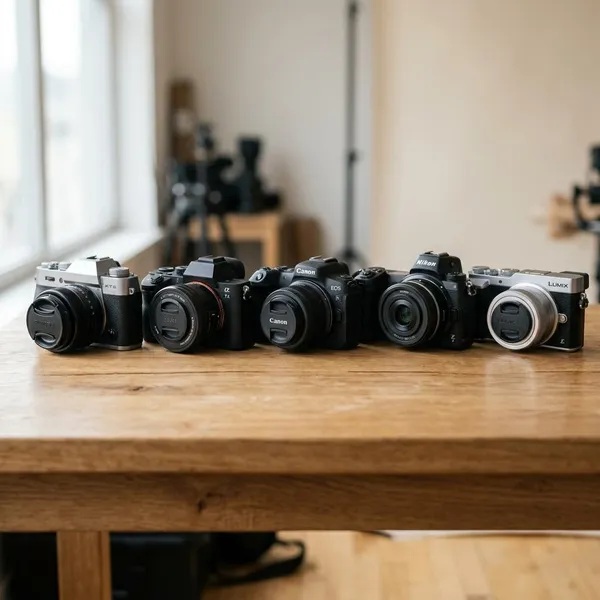
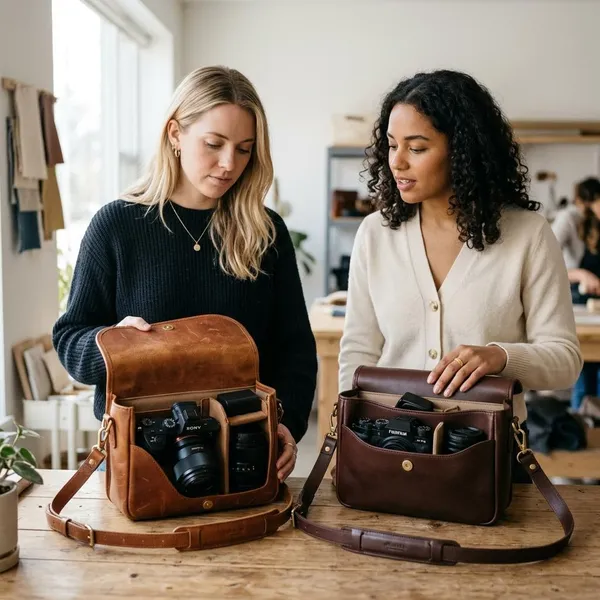
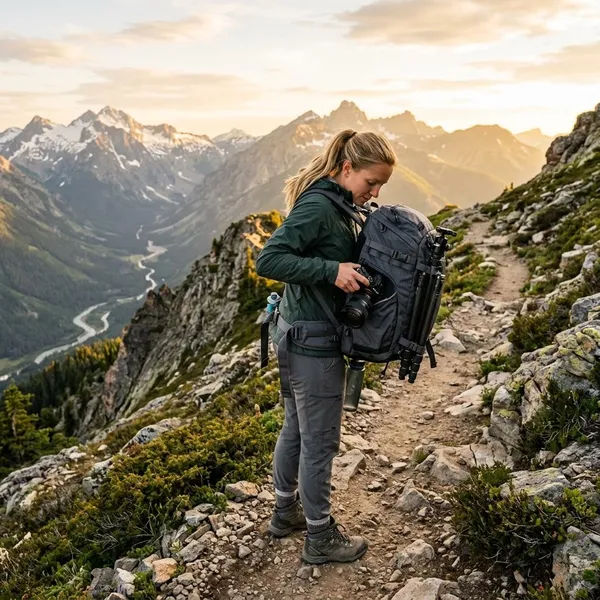
Smartphone cameras are better than DSLRs for quick everyday photos, but they are not better in every situation. If you mostly shoot family moments, travel snaps, food, and social posts, a good phone is probably the easier choice. If you care about indoor action, real zoom, portraits, heavy cropping, or large prints, a DSLR still gives you more room to work.
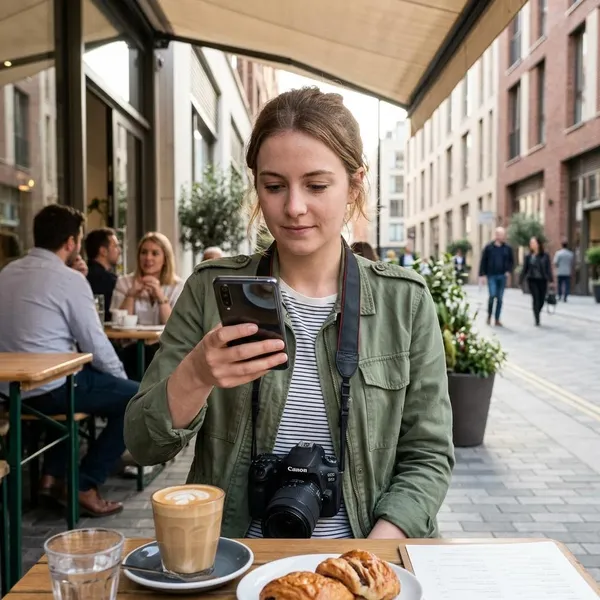
Are smartphone cameras better than DSLRs overall?
Not overall. Smartphones win on convenience, speed, editing, and sharing. DSLRs win when the photo is harder to capture: low light with movement, distant subjects, natural background blur, and files you want to crop or print.
| Choose the smartphone if... | Choose the DSLR if... |
|---|---|
| You mostly share photos on a phone, in messages, or on social media. | You often shoot movement, distance, portraits, or photos you want to print. |
| You want the least effort from shooting to editing. | You are willing to carry gear and learn basic settings. |
| Your current photos are usually good enough with small fixes. | Your phone repeatedly gives you blur, weak zoom, or fake-looking blur. |
Smartphone vs DSLR image quality
Image quality depends heavily on the scene. In bright daylight, a recent phone can look excellent, especially on small screens. The DSLR advantage becomes clearer when light drops, the subject moves, you zoom in, or you want to edit the file more seriously.
Detail in daylight
In good light, phones are impressively strong. Landscapes, city scenes, food, pets, and casual portraits can look sharp and colorful straight from the camera app.
A DSLR usually keeps more natural fine detail, especially in hair, leaves, fabric, grass, and distant buildings. Phone processing can make edges look crisp without preserving as much real texture, which matters more when you crop or view the photo on a larger screen.
Night scenes with still subjects
For still night scenes, a phone may feel almost magical because night mode does the hard work automatically. It can combine several frames, brighten shadows, and make a dark street or indoor corner look usable without you touching settings.
A DSLR can still produce a cleaner result when used carefully, especially with a steady hand, a tripod, or manual settings. The difference is not always convenience; it is how natural the shadows, highlights, and colors look after the shot.
Moving subjects in low light
This is one of the clearest DSLR wins. A phone can brighten a dark room, but a moving child, pet, dancer, or athlete may still turn into a soft or smeared photo because the camera needs more light than the small lens can easily collect.
- Birthday party indoors: a phone may handle candles and decorations, but faces can blur when people move.
- School sports in a gym: a DSLR with a suitable lens has a much better chance of freezing action.
- Evening family photos: the phone may look fine until you zoom in and notice lost detail.
Portraits and background blur
Phones can make attractive portraits, but the blur is usually software-made. It works best with simple backgrounds and clean edges around the person.
A DSLR creates background blur optically with the lens, so hair, glasses, hands, and uneven outlines tend to look more natural. If you want casual profile photos, a phone is often enough. If you want polished family portraits or paid portrait work, the DSLR result is usually more dependable.
Distant subjects and zoom
For distant subjects, a DSLR is usually the better tool. Phones can use digital zoom or a built-in telephoto lens, but detail drops quickly when the subject is far away.
If you often photograph wildlife, school plays, concerts from the back of a room, or sports from the sidelines, check whether your problem is really "image quality" or simply distance. A real telephoto lens solves a different problem than phone software can.
Cropping and large prints
A phone photo that looks great in a group chat may not hold up after a heavy crop or a large wall print. Weak detail, noise reduction, and over-sharpening become easier to see when the image is enlarged.
A DSLR file usually gives you more editing space. That matters most for photos with lasting value: graduation portraits, wedding albums, framed travel shots, or any image you may want to revisit years later.
Smartphone vs DSLR for everyday use
Everyday use is where smartphones are hard to beat. They are already in your pocket, they make decisions automatically, and they keep the whole process fast from capture to sharing.
Size and carrying weight
A smartphone fits into normal life. A DSLR asks for a bag, a charged battery, a memory card, and at least one lens. That extra weight changes what you actually bring on a walk, a dinner, or a quick day out.
For a planned zoo visit, sports day, or scenic trip, carrying a DSLR can be worth it. For ordinary errands and spontaneous moments, the phone usually gets the photo because it is already there.
Shooting speed and ease of use
Phones are faster for casual shooting: open the camera, tap, and share. They are designed to make acceptable choices automatically.
A DSLR is slower at first but more deliberate once you learn it. You can choose shutter speed, focus mode, aperture, and lens instead of hoping the software understands what you wanted. That matters when you are trying to freeze motion, control depth of field, or expose a difficult scene properly.
Editing and sharing
Smartphones are better for the full everyday workflow. You can shoot, crop, brighten, back up, and send a photo in less than a minute.
With a DSLR, the image may be stronger, but it often needs transferring and editing before anyone sees it. That is fine if you enjoy the process. It becomes annoying if your real goal is simply to send grandparents a good photo before the moment passes.
Camera and lens costs
A phone can be the better value if you were going to upgrade anyway. You get a camera, editing device, backup tool, and sharing device in one purchase.
A DSLR budget should include more than the body. Lenses, batteries, memory cards, a bag, and possibly editing software can change the real cost. The common mistake is buying an entry-level DSLR with a basic lens and expecting it to fix every phone weakness immediately.
- Light everyday use: a newer phone is usually the more practical upgrade.
- Recurring action or zoom problems: a DSLR with the right lens may be worth the extra cost.
- New photography hobby: the DSLR makes more sense if you want to learn, not just get cleaner snapshots.
How to choose between a smartphone and a DSLR
Start with your failed photos, not with camera specs. The right choice usually becomes obvious when you look at what your current camera cannot do well enough.
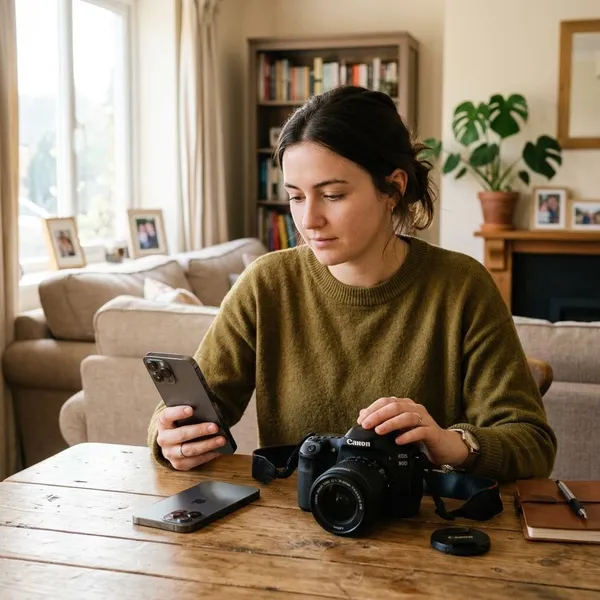
Identify the shots your phone struggles with
Look through your recent photos and mark the ones you wish had turned out better. If the same issue keeps appearing, that is your buying clue.
- Blurry indoor movement: a DSLR is likely to help more than a small phone upgrade.
- Subjects too far away: lens reach matters more than megapixels.
- Portrait edges look fake: a dedicated camera with a portrait lens will look more natural.
- Photos look fine until shared: your current phone may already be enough.
Decide how you will view and share photos
If your photos mostly live on a phone screen, tablet, or social feed, a modern smartphone may already give you the result you need. Its processing is built for exactly that kind of viewing.
If you print photo books, frame images, crop tightly, or edit on a larger screen, a DSLR becomes more useful. The extra detail and cleaner files are easier to appreciate when the photo is not only being viewed small.
Compare a phone upgrade with a DSLR and lens
Do not compare a new phone with only a DSLR body. Compare a phone upgrade with the full camera setup you would actually need.
Consider what you will carry and learn to use
A DSLR is worth buying only if you will carry it and learn enough to use its strengths. Auto mode can help, but the real value comes from understanding focus, shutter speed, aperture, and lens choice.
Conclusion
A smartphone is the smarter choice when convenience, speed, and easy sharing matter most; a DSLR is the better choice when you keep losing photos to motion, distance, weak low-light performance, or limited editing flexibility. If your current phone only disappoints you once in a while, upgrade the phone or keep using it. If the same missed shots keep bothering you and you are willing to carry and learn a camera, a DSLR still earns its place.