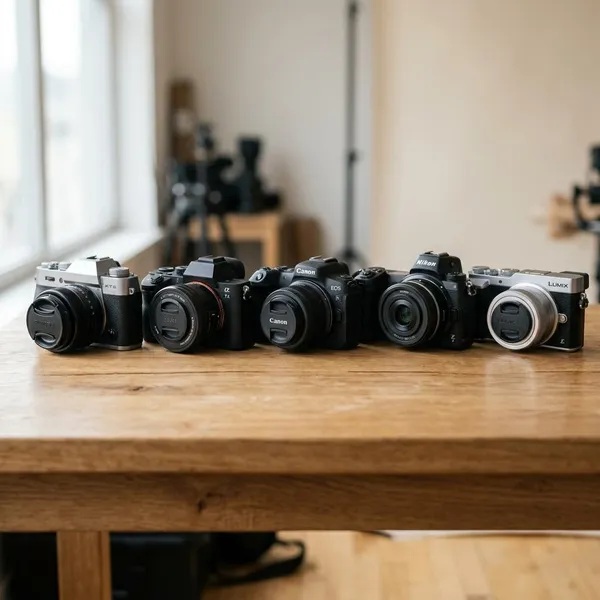
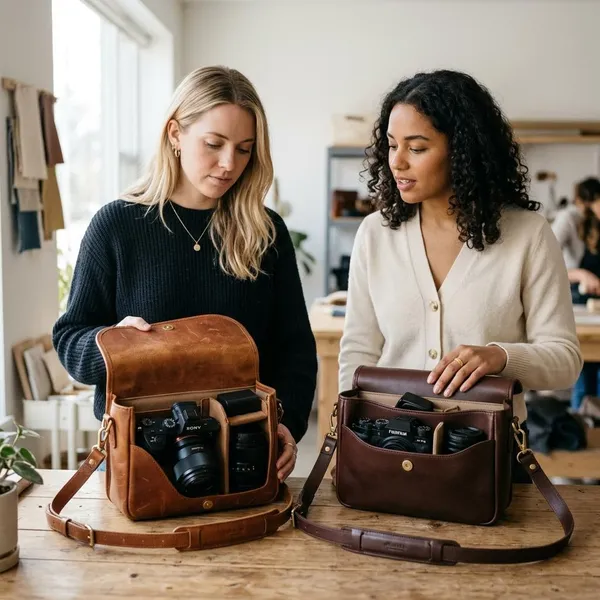
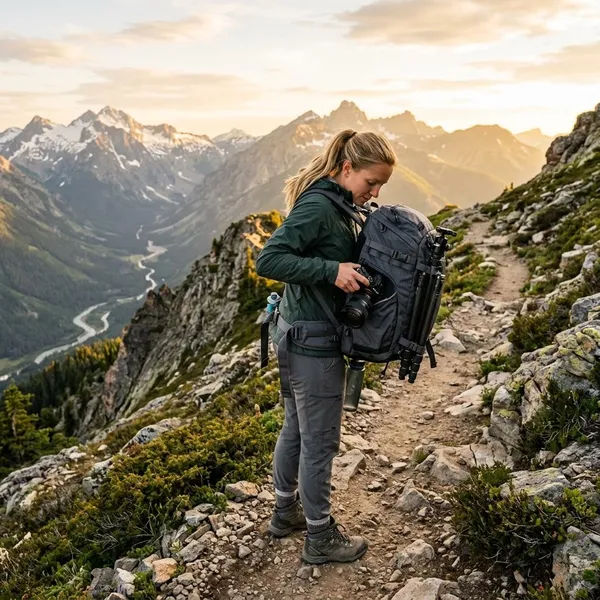
The safest way to choose among the best budget mirrorless cameras is to start with what you shoot most, not with the cheapest body on sale. For most first-time buyers, the Canon EOS R50 is the easiest all-rounder, while the Sony ZV-E10 makes more sense if self-recorded video matters most. Before buying, price the body, the first lens you will actually need, a spare battery, and a reliable memory card.
Best budget mirrorless cameras by shooting needs
A budget mirrorless camera should solve your main shooting problem without locking you into an expensive setup too early. A beginner taking family photos needs something different from a vlogger filming in a small room or a parent trying to catch kids running around a park.
Use the body price as a starting point, then check lens cost, autofocus behavior, screen design, and whether buying used makes sense for your comfort level.
| Best fit | Camera to shortlist | Main reason |
|---|---|---|
| First camera for mixed photos and video | Canon EOS R50 | Friendly controls, strong autofocus, flexible screen |
| Lowest-cost Canon photo setup | Canon EOS R100 | Good stills value if video is secondary |
| Beginner vlogging | Sony ZV-E10 | Creator-friendly body and strong lens ecosystem |
| Compact hybrid shooting | Fujifilm X-M5 | Small body, appealing color, good photo/video balance |
| Moving subjects on a tighter budget | Used Sony a6400 | Reliable tracking and many affordable lenses |
What a budget mirrorless setup really costs
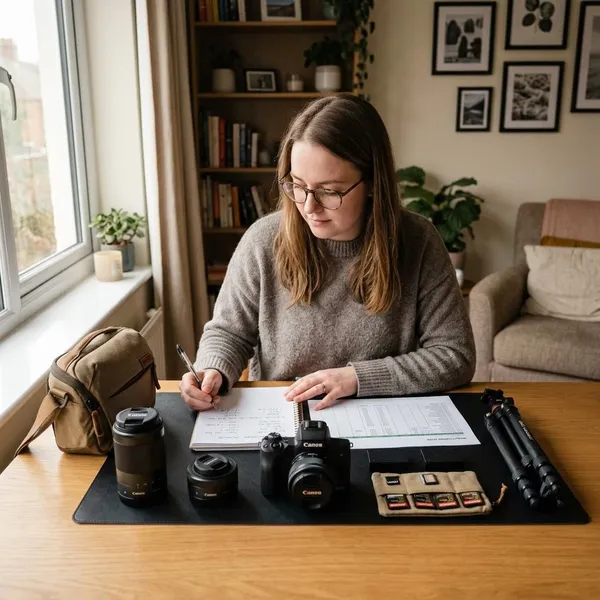
The body price is only part of the purchase. A realistic starter setup usually means a camera body, a lens, at least one reliable memory card, and a spare battery. If you film yourself, you may also need a wider lens or a microphone sooner than expected.
Camera body and kit lens
A body-and-kit-lens bundle is usually the most practical start for beginners. The kit lens covers everyday scenes well enough for vacations, family gatherings, pets in good light, and learning which focal lengths you actually use.
Do not dismiss the kit lens just because reviewers call it basic. It helps you avoid buying the wrong second lens too early. Its real weakness is low light and background blur, so if you often shoot indoors in the evening, plan for a brighter lens later.
Extra lenses for your subjects
Your second lens should match your main subject, not a generic "must-have" list.
- Portraits and indoor family photos: look for an affordable bright prime in a useful everyday focal length.
- Travel and days out: a compact zoom may be more useful than a prime if you want one lens on the camera all day.
- Vlogging indoors: check wide-angle options early, especially if you film handheld or in small rooms.
- Kids' sports or distant subjects: price telephoto lenses before choosing the system.
This is where Sony often has an advantage, because used and third-party E-mount lenses are easy to find. Canon can still be the better camera choice for you, but the future lens cost deserves a real look.
Memory cards and spare batteries
A spare battery and a dependable SD card are boring purchases, but they matter immediately. Mirrorless cameras rely on screens, electronic viewfinders, and continuous autofocus, so battery life can drop quickly during travel days, events, or video recording.
For memory cards, avoid the cheapest unknown option. You do not need the most expensive card for casual shooting, but you should buy from a reputable brand and choose a card suitable for the video or burst shooting you plan to use. One good main card plus one backup is usually safer than several suspiciously cheap cards.
Which budget camera compromises matter?
Every low-cost mirrorless body leaves something out. The trick is knowing which missing features will affect your actual use. A spec-sheet weakness may not matter at all for casual travel photos, while a missing viewfinder or poor lens path can bother you every week.
Viewfinder and screen design
A viewfinder matters if you take still photos outdoors often. Bright sunlight can make rear screens hard to see, and holding the camera to your eye can also help you keep it steadier.
Screen design matters more for video and awkward angles. A fully articulating screen is useful for self-recording, product shots, and filming from high or low positions. A tilting screen can feel faster for street, travel, and waist-level stills. A vlogger may accept no viewfinder on the ZV-E10; a photo-first traveler may regret that choice.
Autofocus and burst shooting
Autofocus is one of the first things to prioritize if your subjects move. Children, pets, dancers, school events, and casual sports all punish a camera that hesitates or tracks poorly.
Burst speed only helps when focus keeps up. A slower burst with more sharp frames is better than a fast burst full of near misses. This is why the Canon EOS R50 and used Sony a6400 deserve attention for active subjects: they make difficult moments less dependent on perfect timing.
Stabilization for handheld use
Stabilization helps with hand shake, not subject movement. It is useful for static scenes, travel details, museums where tripods are not allowed, and casual handheld video. It will not freeze a child running across a room.
If your low-light photos are mostly of people moving, a brighter lens and reliable autofocus may matter more than stabilization. If you shoot buildings, food, still life, or quiet travel scenes, stabilization becomes a bigger advantage.
Video crops and recording limits
Video specs need a closer look than the headline "4K" label. Some budget cameras crop the image in certain modes, which makes your lens look tighter. That can be annoying if you film yourself indoors or want wide travel clips.
Recording limits, heat behavior, microphone options, and screen movement also matter. For a few family clips, almost any current mirrorless camera may be enough. For weekly videos, the Sony ZV-E10 or a more video-focused body is usually easier to live with than a photo-first bargain camera.
Lens choice and upgrade costs
Lens choice is the compromise that often matters later. A low body price can lose its appeal if the portrait lens, wide vlogging lens, or telephoto you want costs more than expected.
- Check before buying: the price of one bright prime, one travel zoom, and one lens for your main niche.
- Consider used options: a strong used market can lower the real cost of building a kit.
- Avoid dead-end bargains: do not buy a body just because it is cheap if the lenses you want are limited or overpriced.
Conclusion
The best choice is the camera that fits your first year of real shooting, not the one with the longest spec list. Pick the Canon EOS R50 if you want the safest beginner all-rounder, the Canon EOS R100 if still photos and low price matter most, the Sony ZV-E10 if vlogging is the priority, the Fujifilm X-M5 if compact hybrid use appeals to you, or a used Sony a6400 if tracking moving subjects is your biggest need. Once you add the lens and basic accessories to the price, the right shortlist usually becomes much clearer.