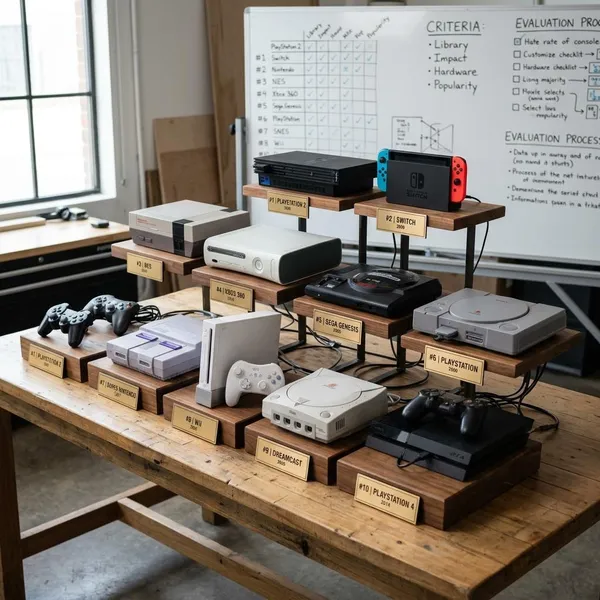
The PlayStation 2 is still the strongest pick for the best consoles of all time because it wins on more than nostalgia: it had the games, the timing, the price appeal, the DVD bonus, and the lifespan. A fair all-time ranking should not reward sales alone, though. The best systems are the ones that gave different kinds of players a reason to keep coming back.
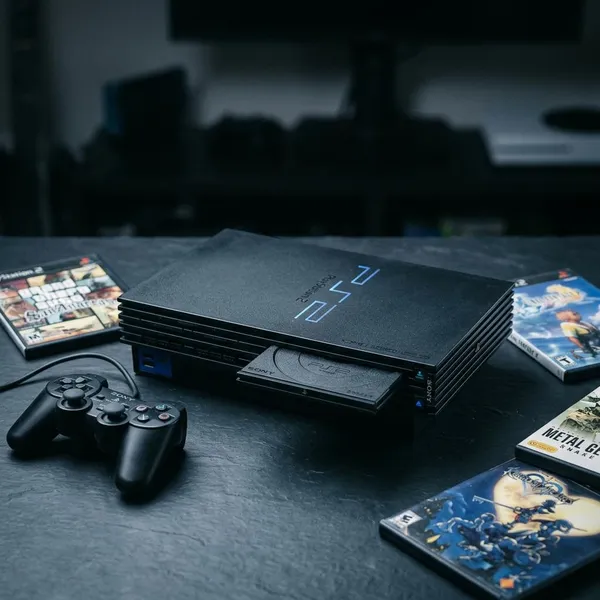
Why PlayStation 2 Ranks First
The PS2 takes the top spot because it was unusually complete. It was not just a successful console with a few famous games; it was a long-lasting entertainment machine with a huge library, broad genre coverage, strong developer support, and real value in ordinary homes.
Its biggest advantage is that it worked for many different players at once. A teenager could be playing Grand Theft Auto: San Andreas, someone else could be using it as a DVD player, and a younger sibling could still find platformers, sports games, or racing titles that made sense without needing another system.
It has a vast game library
The PS2 library is the main reason it is so hard to beat. Size alone would not be enough, but the depth is unusual: Metal Gear Solid 3, Shadow of the Colossus, Final Fantasy X, God of War, Silent Hill 2, Gran Turismo 4, and many smaller favorites gave the system more than a few headline titles.
It covers nearly every major genre
Some consoles are easy to love if you already enjoy their strongest genre. The PS2 was different because it had strong options in action, racing, sports, horror, JRPGs, platformers, fighting games, rhythm games, and open-world design. That makes it one of the safer answers when one console has to satisfy different tastes in the same house.
- Solo story players: RPGs, stealth games, and cinematic action titles gave the system real depth.
- Casual households: Racing, sports, licensed games, and party-friendly releases made it easy to share.
- Collectors: The library is large enough to reward digging beyond the obvious classics.
It helped make DVD playback mainstream
The PS2 arrived when DVD players were still a meaningful purchase for many households. Being able to play games and DVDs on one machine made the console easier to justify, especially for families that were not buying it only for gaming.
It stayed relevant for years
A console's reputation changes when it keeps getting worthwhile games after the launch excitement fades. The PS2 had that rare long tail, with publishers continuing to support it deep into the next generation.
That helped late buyers as much as early adopters. If someone bought one after the price dropped, they were not getting a dead platform; they were getting a mature library with more affordable games and years of proven favorites.
Its best games remain widely loved
The strongest PS2 games still come up in serious all-time discussions, which is the clearest sign that the console was not only popular in its moment. Many of its best titles influenced later open-world games, action combat, cinematic storytelling, horror design, and art-driven adventures.
How We Ranked the Greatest Consoles
The fairest way to rank consoles is to start with what a player actually gets from the machine. A console with one historic idea but a thin library should not outrank a system that gave players years of great games, but innovation still matters when it changes how people play.
For a practical comparison, use this order of importance: game library first, hardware experience second, influence and longevity third, cultural memory last. Memory matters, but it should support the case rather than replace it.
Game quality and variety
Games come first because even the most innovative hardware becomes a curiosity if there is not enough worth playing. A strong console should have more than one or two legendary titles; it should offer quality across several genres and keep different types of players interested.
- Best sign: the system has classics in more than one genre.
- Warning sign: people remember the hardware idea more than the games.
- Collector check: look past the top ten and see whether the second tier still looks fun.
Hardware and controller design
Power helps, but comfort and usability age better than spec sheets. A controller that feels natural, a machine that developers can work with, and a setup that does not fight the player all improve a console's long-term reputation.
The Nintendo 64 deserves credit for pushing analog 3D control, even if its controller still divides people. The Xbox 360 controller, by contrast, became a long-term comfort benchmark because it made shooters, racers, and action games feel immediately playable.
Innovation and influence
Innovation counts most when it changes habits rather than adding a gimmick. The Switch made TV-to-handheld play feel normal. The Wii made motion controls understandable to people who did not usually play games. The original PlayStation helped bring 3D gaming and disc-based console libraries into the mainstream.
Longevity and developer support
Long support usually means the console had a healthy audience and enough developer confidence to keep the library growing. It also gives players better value, because the best version of a console's library often appears after developers have learned the hardware properly.
Cultural impact and player memories
Cultural impact is harder to measure, but it is not imaginary. The NES helped restore trust in home consoles, the Wii became a family-living-room event, and the Xbox 360 made online party chat and multiplayer nights feel like a normal social routine.
Best Consoles by Strength
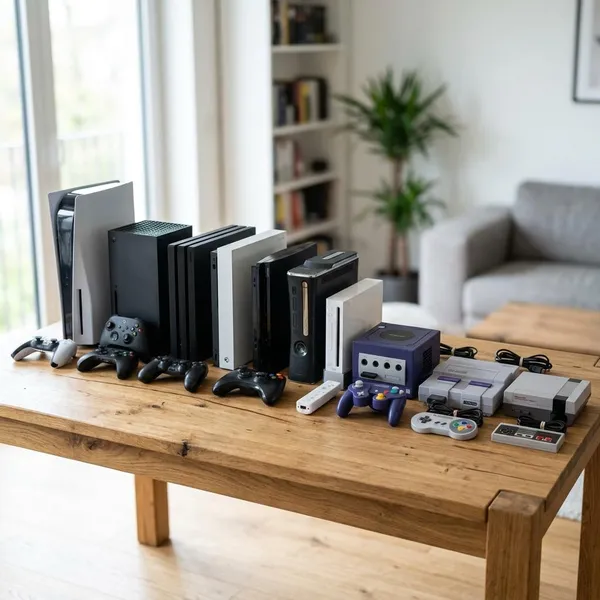
A single ranked list is useful, but category winners are often better for real decisions. Someone buying a retro system for weekend play does not need the same answer as someone who wants local family games, portable flexibility, or an online-era nostalgia machine.
PlayStation 2 is the best overall
The PS2 is the best overall because it has the fewest weak spots. It wins on library size, genre range, cultural reach, long support, and everyday usefulness through DVD playback. If someone wants one historic console that explains why an entire generation fell in love with gaming, the PS2 is the easiest recommendation.
Super Nintendo is the best retro console
The Super Nintendo is the safest retro pick because its best games require very little apology. Super Mario World, The Legend of Zelda: A Link to the Past, Super Metroid, and Chrono Trigger still feel carefully designed rather than merely important.
For a newcomer to classic gaming, that matters. Some older consoles are fascinating but rough. The SNES is more likely to feel welcoming on the first evening, especially if you want tight controls, strong music, colorful art, and games that still respect your time.
Nintendo Switch is the best hybrid console
The Switch wins this category because its hybrid design solves a real-life problem: not everyone has a free TV, a quiet room, or long uninterrupted sessions. Being able to play Breath of the Wild on the couch, continue in handheld mode, and dock it again for multiplayer makes the system unusually flexible.
- Shared household: handheld mode avoids fighting for the TV.
- Travel or commuting: one library works at home and away.
- Family play: games like Mario Kart 8 Deluxe and Animal Crossing: New Horizons keep it approachable.
Xbox 360 is the best online-era console
The Xbox 360 defined the moment when online play stopped feeling like an extra and became part of console identity. Xbox Live, party chat, achievements, downloadable games, and a strong controller made it the natural home for shooters, sports, co-op, and competitive multiplayer.
If your strongest gaming memories involve friends lists, late-night voice chat, Halo 3, Gears of War, or early digital purchases, the 360 has a stronger claim than its raw hardware specs suggest.
Wii is the best family console
The Wii deserves this title because it made gaming feel obvious to people who did not want to learn a traditional controller. Swinging a remote for tennis or bowling was simple enough for mixed-age groups, which turned the console into a party and family machine rather than only a gamer's device.
Conclusion
The PS2 is the best all-around choice, but the smarter way to think about console greatness is to match the machine to what it did best. Pick the SNES if you want the cleanest retro library, the Switch if flexibility matters, the Xbox 360 if online-era multiplayer is your benchmark, and the Wii if shared family play is the priority. The strongest consoles are not just powerful or popular; they make a specific kind of gaming feel easier, better, or more memorable.