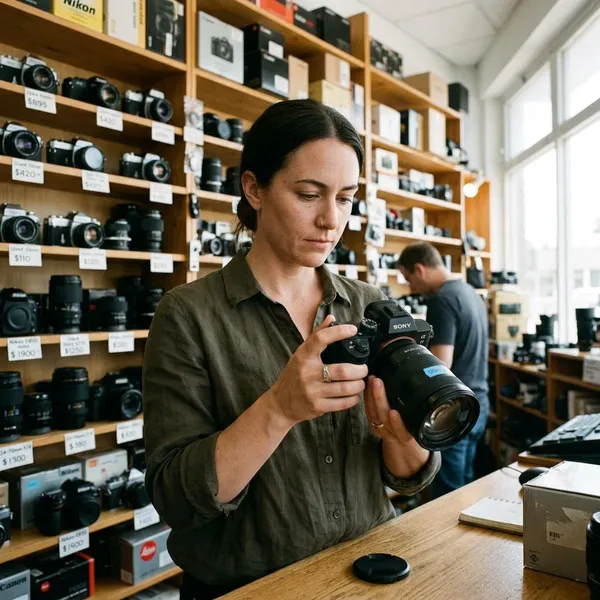
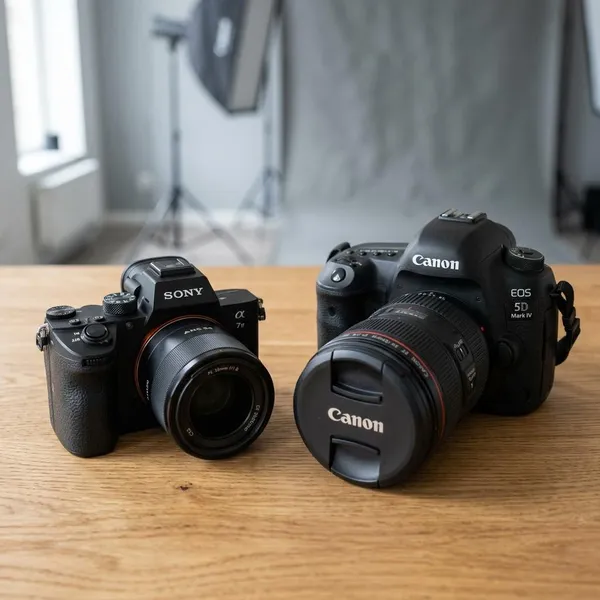
If you are shopping for a camera mirrorless full frame body in 2026, start with what you shoot most, not with the most expensive spec sheet. The Nikon Z5II is the easiest value pick, the Sony A7 IV is the safest all-rounder, the Panasonic Lumix S1II is the video-first choice, and the Canon EOS R1 only makes sense if speed is your job, not just a nice bonus.
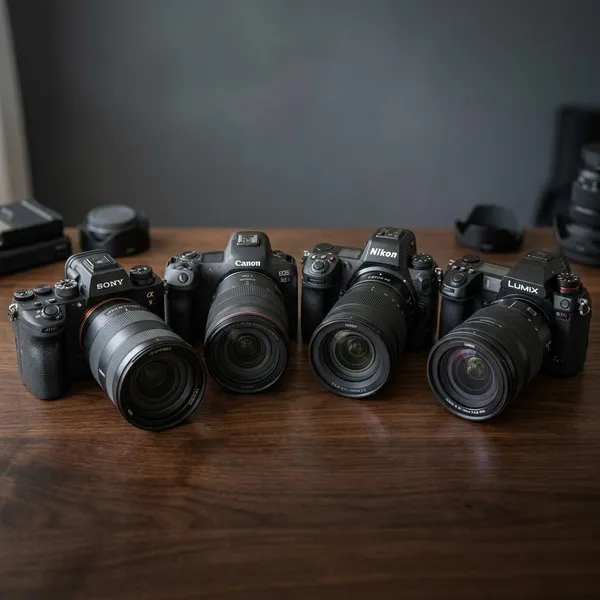
Best full-frame mirrorless cameras
The best full-frame mirrorless camera is rarely the one that wins every category. A travel shooter needs a body they will actually carry. A wedding photographer needs dependable autofocus in ugly lighting. A wildlife shooter needs speed and enough resolution to crop. A video creator needs recording options that fit their workflow without overheating, huge files, or awkward handling.
| Best fit | Camera to start with | Why it makes sense |
|---|---|---|
| Best value | Nikon Z5II | A sensible entry into full frame without paying flagship money. |
| One-camera setup | Sony A7 IV | Strong stills, good video, and the broadest lens ecosystem. |
| Hybrid photo and video | Canon EOS R6 Mark III | A practical body for events, portraits, clips, and mixed work. |
| Video-first creators | Panasonic Lumix S1II | Better suited to serious recording workflows than casual-only cameras. |
| Landscape detail | Sony A7R V | High resolution for large prints, cropping, and fine textures. |
| Wildlife | Nikon Z8 | Speed, autofocus, and crop-friendly files in one body. |
| Professional all-round work | Canon EOS R5 Mark II | A high-end choice when one camera has to cover many paid jobs. |
| Sports deadlines | Canon EOS R1 | Built for fast action, reliability, and demanding professional use. |
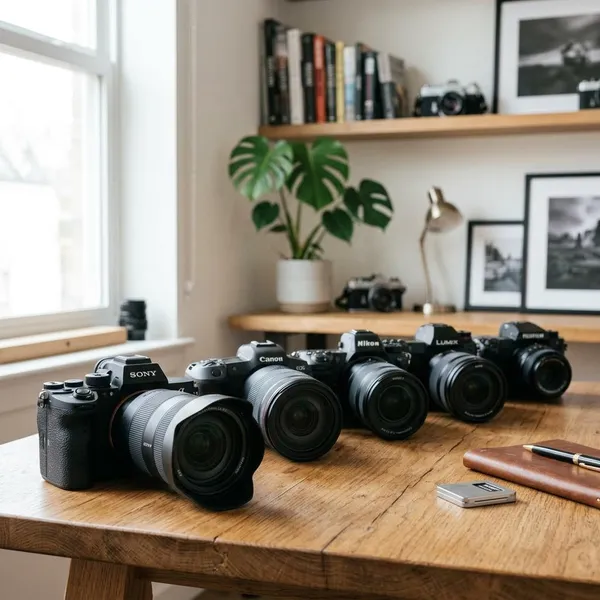
Which camera is right for you?
Pick the camera by use case first, then compare specs. The order I would use is simple: decide your main subject, check the lens prices for that subject, then choose the body that removes your biggest frustration. For many people, the wrong lens system is a bigger mistake than choosing the second-best camera body.
Travel and everyday shooting
For travel and daily use, weight and lens size matter more than most spec comparisons. A full-frame body with a huge zoom can become the camera you leave at home, which defeats the point.
The Nikon Z5II is the value-friendly route for someone who wants better family, street, food, and vacation photos without overspending. The Sony A7 IV is better if you want one system with lots of compact primes, third-party zooms, and room to grow. If your "travel camera" has to fit in a small shoulder bag for all-day walking, compare the actual body-plus-lens combinations before you buy.
Portraits and weddings
Portrait and wedding work needs trustworthy autofocus, good high-ISO performance, comfortable handling, and lenses that create the look you want. The Canon EOS R6 Mark III is a strong hybrid choice for this because it suits moving people, dim venues, short video clips, and fast changes during a long day.
For paid wedding work, the Canon EOS R5 Mark II becomes more appealing if you need higher-resolution files for albums, cropping, or commercial use. The common mistake is spending nearly everything on the body and then compromising on lenses. A good 50mm or 85mm lens may change your portraits more than a slightly newer camera body.
Landscapes
Landscape photographers should prioritize resolution, dynamic range, lens quality, weather resistance, and workflow. The Sony A7R V is the obvious detail-first choice, especially if you print large or crop into wide scenes.
If landscapes are only one part of what you shoot, the Nikon Z8 may be a better compromise because it handles action much better while still giving detailed files. For casual hikers who mostly share images online, a more balanced body can be enough; the money saved may be better spent on a lighter tripod, a better wide-angle lens, or travel itself.
Wildlife and sports
Wildlife and sports punish slow cameras. You need autofocus that sticks, burst speed that keeps up, and lenses long enough for the subject. The Nikon Z8 is the easier wildlife recommendation because it gives you speed and crop-friendly detail, while the Canon EOS R1 is the sports specialist for people working in high-pressure environments.
- Birds and distant animals: prioritize tracking, crop room, and long-lens options.
- Indoor sports: check high-ISO performance and fast telephoto lens prices.
- Casual weekend action: do not overspend on a flagship if a mid-range body and better lens will solve the problem.
Video and content creation
Video buyers should look past headline resolution and ask a more practical question: can this camera record the kind of footage I need without making the rest of my workflow harder? The Panasonic Lumix S1II is the best fit if video is central to your work, especially when you care about recording options, stabilization, monitoring, and post-production flexibility.
The Canon EOS R6 Mark III is the easier hybrid choice if you shoot both client photos and video. The Sony A7 IV is still a good middle ground for creators who want strong autofocus, broad lens choice, and a familiar ecosystem. For solo creators, a reliable screen, audio input, autofocus in video, and manageable file sizes can matter more than the most advanced recording mode.
Professional work
Professional work is where reliability, support, dual-card workflow, battery life, lens availability, and handling matter as much as image quality. The Canon EOS R5 Mark II is the strongest general professional choice in this list because it can move between portraits, events, commercial work, editorial shoots, and hybrid production without feeling too narrow.
Specialists should be more direct. If you shoot sports for deadlines, look at the Canon EOS R1. If wildlife is the main job, the Nikon Z8 is the more balanced tool. If paid video is your priority, the Panasonic Lumix S1II deserves a closer look. A professional body should remove friction from your work; if it only adds cost and larger files, it is not the right upgrade.
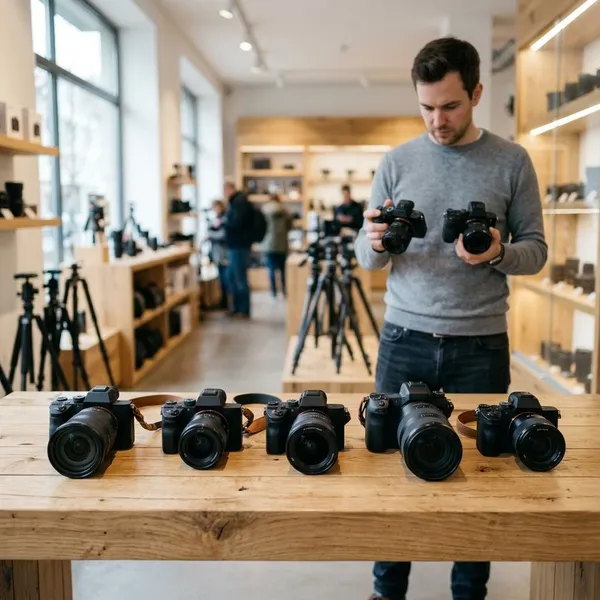
What specs matter most?
Specs only matter when they change your results. The first checks should be lens availability, autofocus, stabilization, video workflow, and whether the files are realistic for your storage and editing setup. Megapixels and frame rates are useful, but they can also push you into larger files, pricier lenses, and features you barely use.
Sensor resolution
Higher resolution helps when you crop heavily, print large, shoot landscapes, or deliver detailed commercial files. That is why the Sony A7R V is so appealing for landscapes and studio work.
For everyday photography, a moderate-resolution full-frame sensor is often easier to live with. It gives strong image quality without creating massive files after every family trip or event. If you do not print large and you rarely crop, prioritize autofocus, lenses, and handling before chasing the highest megapixel count.
Autofocus
Autofocus should move up your priority list if you photograph people, pets, weddings, wildlife, children, sports, or anything unpredictable. Good eye and subject detection helps you react faster and miss fewer important moments.
Burst speed
Burst speed matters when timing is the shot: wings spread, a runner crossing the line, a football tackle, or a quick expression during an event. For serious action, a faster body gives you more usable frames to choose from.
For portraits, landscapes, travel, food, and casual family photos, extreme burst speed is usually a luxury. Do not pay flagship prices for frames per second if your subjects mostly stand still.
Image stabilization
Image stabilization helps with handheld photos in dim light and smoother handheld video. It is especially useful for travel, street photography, indoor family moments, and creators who do not want to carry a tripod or gimbal everywhere.
It cannot freeze a moving subject, though. If a child, athlete, or animal is moving quickly, you still need a fast enough shutter speed and good autofocus. Stabilization fixes your hand movement, not the subject's movement.
Video features
Video features matter most when you know how you will edit and deliver the footage. Resolution, frame rates, codecs, bit depth, audio options, screen design, and heat behavior can all affect the experience more than a single headline spec.
- Simple social clips: reliable autofocus and easy files are usually enough.
- Client video: look for stronger codecs, audio control, and dependable recording.
- Solo filming: screen visibility, stabilization, and quick setup save real time.
Lens selection
Lens selection can decide whether a camera system feels affordable or frustrating after the first purchase. Sony has the widest third-party support, which helps if you want more budget and size options. Canon, Nikon, and Panasonic also have excellent lenses, but you should check the exact focal lengths and prices you will need.
Before buying any body, price a realistic kit: one everyday lens, one lens for your main subject, spare batteries or cards, and any video accessories you need. If that total feels uncomfortable, step down on the body rather than buying a great camera with lenses that do not match your shooting.
Conclusion
The smartest full-frame mirrorless choice is the one that matches your main subject and leaves enough budget for the lenses that make the camera useful. Choose the Nikon Z5II for value, the Sony A7 IV for a flexible one-camera setup, the Canon EOS R6 Mark III for hybrid work, the Panasonic Lumix S1II for video, the Sony A7R V for detail, the Nikon Z8 for wildlife, the Canon EOS R5 Mark II for demanding professional variety, and the Canon EOS R1 only when sports speed is truly worth the cost.