If you are looking at a 1 inch camera sensor smartphone, the main point is simple: it can give the phone's main camera more room to capture light, which often helps photos look cleaner and less processed. It is not a magic spec, though. The phone still needs a good lens, reliable autofocus, steady processing, and sensible software tuning to turn that larger sensor into better pictures.
What Is a 1 Inch Camera Sensor Smartphone?
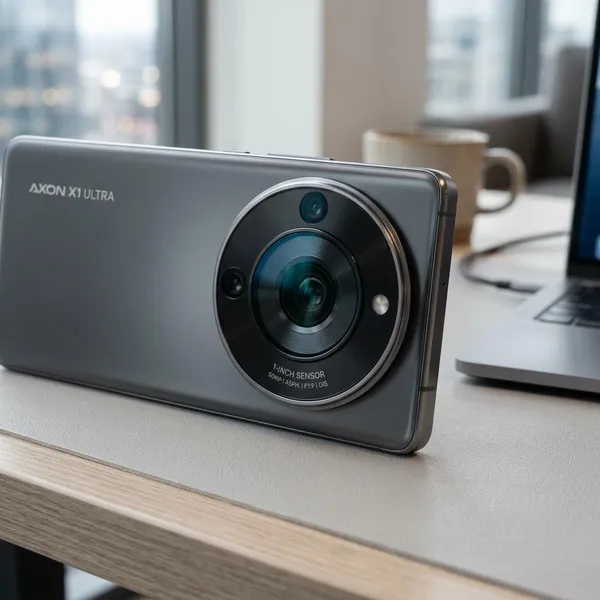
A 1-inch camera sensor smartphone is a phone built around a large-format main rear camera sensor. The main camera matters most because it handles the photos people take every day: indoor family shots, food, pets, street scenes, travel photos, and quick pictures when the lighting is not ideal.
It uses a 1-inch-type main camera sensor
The key detail is "main camera." A 1-inch-type sensor is most useful when it sits behind the wide camera you use most often, because that is where extra light capture can improve everyday photos. If you mostly shoot casual indoor pictures or evening city scenes, this is the camera that will usually make the biggest difference.
The name describes a sensor format
The "1-inch" label is a sensor format name, not a simple ruler measurement. It comes from older imaging terminology, so it is better to treat it as a class of sensor rather than a literal size claim. For phone shoppers, the useful takeaway is that this format is large by smartphone standards.
It does not measure one inch across
A 1-inch-type phone sensor does not measure one inch across its width or diagonal. That can sound misleading at first, but it does not make the spec meaningless. The mistake is judging the phone only by the label instead of checking how much of the sensor is actually used, what lens sits in front of it, and how the camera behaves in normal photo modes.
It is larger than most phone sensors
Compared with typical phone main sensors, a 1-inch-type sensor gives the camera more collecting area. That usually helps most when the scene is difficult: a dim restaurant, a child moving indoors, a sunset with bright sky and dark buildings, or a close-up where you want the background to fall away naturally.
What Are the Benefits of a 1 Inch Phone Sensor?
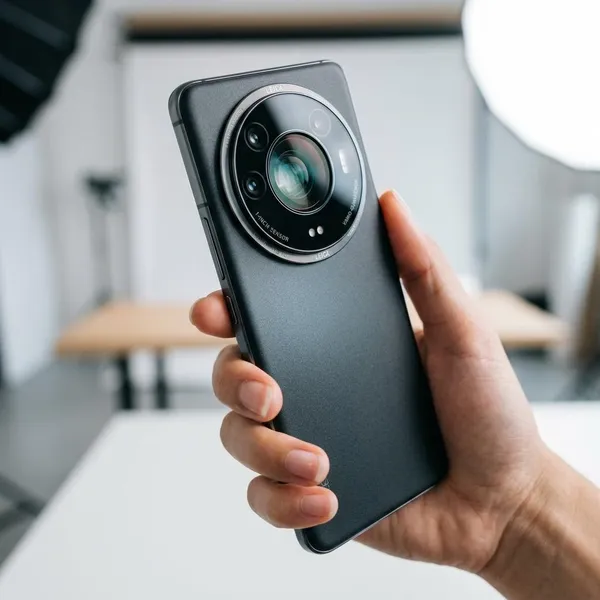
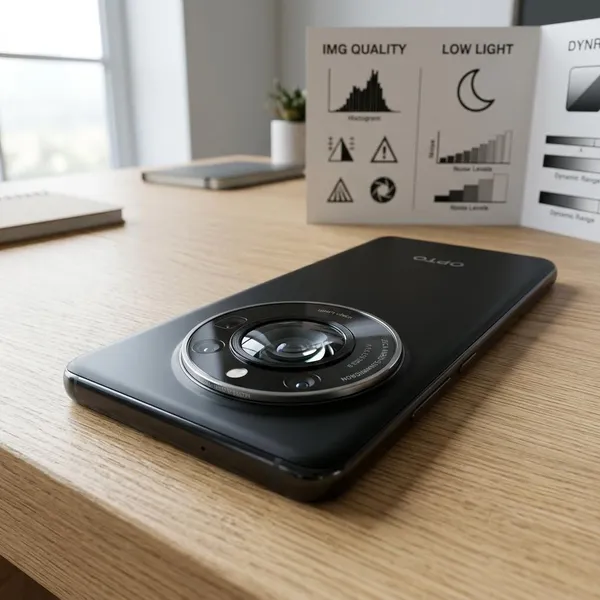
The main benefit is better image data before software has to clean things up. That matters because phone cameras often use heavy sharpening, noise reduction, and HDR processing to compensate for small sensors. A larger sensor can give the phone a stronger starting point.
| Benefit | Where you are most likely to notice it |
|---|---|
| Cleaner detail | Restaurants, living rooms, night streets, evening events |
| More highlight and shadow detail | Windows, sunsets, bright skies, shaded faces |
| More natural depth | Food, pets, portraits, small objects close to the lens |
| Less artificial processing | Skin, hair, leaves, fabric, night photos |
Cleaner low-light photos
Low light is where a larger sensor usually earns its place. More light reaching the sensor can mean less blotchy noise, less smeared texture, and more believable color in indoor or evening shots.
This matters if you often photograph people indoors. A smaller-sensor phone may brighten the image aggressively but turn skin and hair waxy; a well-tuned 1-inch-type phone has a better chance of keeping the scene clean without making it look fake.
Wider dynamic range
Dynamic range is the camera's ability to keep detail in bright and dark parts of the same scene. A larger sensor can help the phone hold onto more tonal information before HDR processing begins.
More natural background blur
A large main sensor can create more optical background blur, especially when the subject is close to the camera. This is useful for food, flowers, pets, and casual portraits where software portrait mode can struggle with hair, glasses, fur, or uneven edges.
Better subject separation
Subject separation is not only about blur. It is about making the subject feel more distinct from the scene around it. A good large-sensor phone can make a coffee cup on a table, a person in a street scene, or a dog in a park stand out without making the photo look heavily edited.
Less reliance on heavy processing
The best reason to care about a larger sensor is not always brightness; it is restraint. When the camera captures cleaner information from the start, the phone can use less harsh sharpening and less aggressive noise reduction.
Which Smartphones Have a 1 Inch Camera Sensor?
The list of 1-inch-type camera phones is still fairly small because this hardware is expensive and physically demanding. It can mean a thicker camera module, more careful lens design, and more pressure on autofocus, stabilization, heat control, and internal space.
- First, confirm the actual model and sensor implementation. Do not rely on reseller titles alone.
- Second, check real camera samples. Look for low light, portraits, moving subjects, and video, not only perfect daylight shots.
- Third, check regional practicality. Warranty, network bands, repairs, and updates matter more with imported camera phones.
- Finally, match it to your shooting style. A travel shooter may care about zoom; a parent may care more about autofocus and indoor motion.
Xiaomi 17 Ultra
If you see the Xiaomi 17 Ultra listed as a 1-inch sensor phone, treat the details carefully and verify them through official specifications and trusted reviews. Ultra models are often discussed through leaks and reseller pages before buyers have clear information about the final camera hardware.
For a long-term purchase, wait for confirmed sensor details, regional software support, and full camera testing. A rumored or early-listed camera flagship can look exciting, but it is a risky buy if warranty and compatibility are unclear.
Leica Leitzphone powered by Xiaomi
This name needs extra caution because the Leitz Phone line has been more closely associated with Sharp in Japan, while Xiaomi has had separate Leica-branded camera partnerships. If a listing says "Leica Leitzphone powered by Xiaomi," check whether it is an official product name, a regional collaboration, or simply a confused reseller description.
Xiaomi 15 Ultra and 14 Ultra
Xiaomi's Ultra phones are among the most obvious places to look if you want a large-sensor camera-first flagship. The Xiaomi 14 Ultra is widely known for this category, and newer Ultra models should be checked against confirmed specifications and real reviews rather than assumptions based on the name.
Vivo X100 Ultra and X100 Pro
Vivo's X100 Pro is one of the notable large-sensor camera phones, and Vivo's higher-end camera models are often praised for portraits, night scenes, and polished color. The brand is a good option if you want photos that look finished straight out of the camera rather than flat files that need editing.
OPPO Find X7 Ultra and Find X6 Pro
OPPO's Find X7 Ultra and Find X6 Pro are strong examples of phones that pair large main sensors with ambitious zoom systems and polished image processing. They are worth considering if you want a camera phone that feels balanced rather than a device built around one headline spec.
Sony Xperia PRO-I
The Sony Xperia PRO-I is important because it shows why the phrase "1-inch-type sensor" needs context. It used a 1-inch-type sensor, but typical shooting did not always use the full sensor area, so the headline spec did not translate in the same way as on every rival phone.
Sharp AQUOS R8 pro
The Sharp AQUOS R8 pro is another notable large-sensor phone, but it is not the most straightforward global purchase. Sharp camera phones can be interesting for enthusiasts, yet availability, updates, repairs, and carrier compatibility may be more limited depending on where you live.
- Good fit: you enjoy niche camera phones and are comfortable checking import details.
- Risky fit: you need easy warranty service, long update confidence, or reliable carrier support without research.
- Must-check: network bands, language support, update history, and repair options in your country.
Conclusion
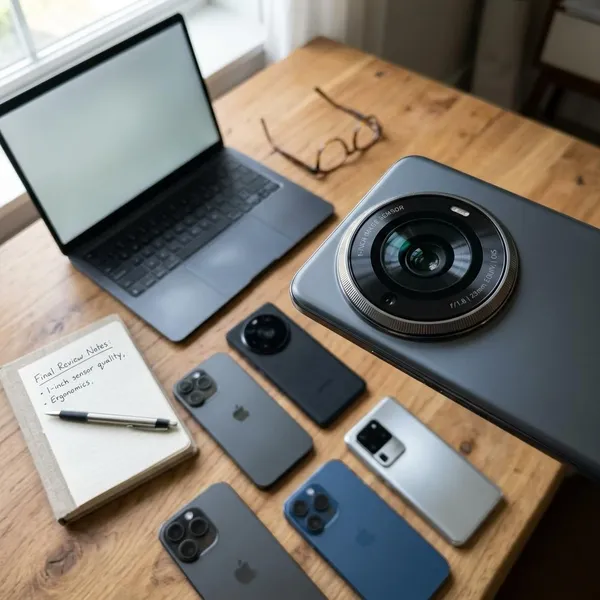
A 1-inch-type sensor is worth caring about if your main frustration is noisy indoor photos, flat-looking close-ups, or phone images that feel over-processed. It is less important if you mainly want the simplest point-and-shoot camera, the thinnest phone, or the most predictable video experience. The smartest choice is to treat the sensor as a strong starting point, then judge the phone by real samples, full sensor use, autofocus, software support, and whether it fits the way you actually take photos.