If you want the best car vacuums, start with the mess you deal with most: crumbs and dust need convenience, pet hair needs agitation, sand needs stronger airflow, and spills need wet/dry capability. A small handheld is fine for quick weekly touch-ups, but a shop vac or cordless stick vacuum makes more sense if your car regularly collects grit, hair, or family mess.
How We Chose the Best Car Vacuums
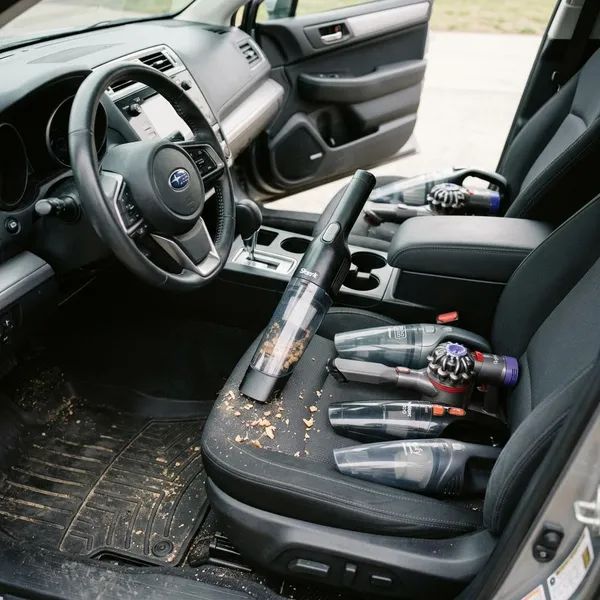
The most useful car vacuum is not always the most powerful one. For car interiors, a good pick has to clean tight gaps, handle the debris you actually get, store without hassle, and stay simple enough that you will use it before the mess builds up.
Pickup on crumbs, sand, and hair
Crumbs and dry dirt are easy tests; sand and pet hair are where weak car vacuums show their limits. Sand sinks into floor mats, while pet hair grips fabric seats and cargo liners, so steady airflow and the right attachment matter as much as suction claims.
- Light mess: crumbs, dust, and snack debris can usually be handled by a compact handheld.
- Outdoor mess: sand, gravel, and dry grass need stronger airflow and a wider nozzle for mats.
- Pet mess: hair is much easier with a motorized brush or rubberized hair tool.
Reach around seats and consoles
A vacuum earns its place in a car by reaching the annoying spots: between the seat and console, under the front seats, around pedals, and along seat rails. A long crevice tool or flexible hose can matter more than a small increase in power because it lets you clean without forcing the whole vacuum body into the cabin.
Useful battery life
Runtime only matters at the setting you will actually use. Low-power mode may be fine for dashboard dust, but mats with sand or pet hair often need a stronger setting that drains the battery faster.
Easy storage and handling
A vacuum that is easy to store is more likely to be used. Apartment drivers may prefer a handheld that fits in a closet or trunk, while someone with a garage can justify a larger wet/dry or shop vac.
Handling also affects fatigue. Car cleaning involves crouching, reaching sideways, and working one-handed, so balance and hose flexibility can be just as important as weight on paper.
Practical cleaning tools
We looked for tools that solve real car problems instead of big accessory kits that mostly sit in a drawer. A strong basic set usually includes a crevice tool for seat gaps, a soft brush for trim, and either a wide nozzle for mats or a motorized brush for pet hair.
Simple bin and filter care
Fine dust, sand, and hair can clog small filters quickly. A good car vacuum should empty without dumping debris back into the cabin and should make the filter easy to remove, tap clean, wash if allowed by the manufacturer, and dry fully before reuse.
Which Type of Car Vacuum Is Best?
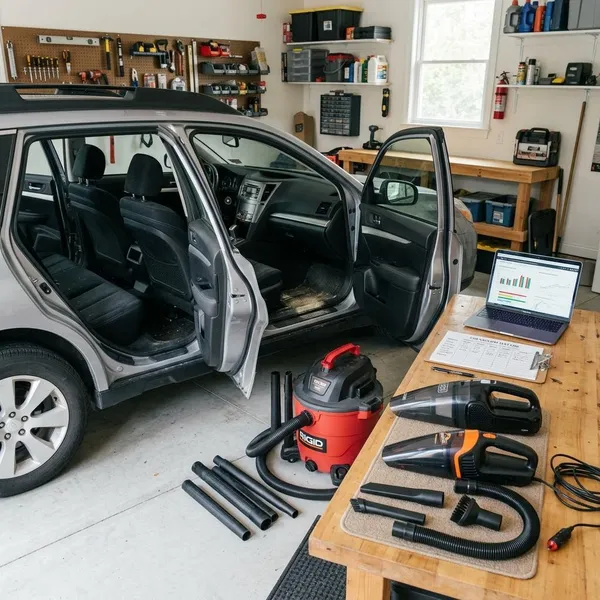
The best type depends on where you clean and what you clean most often. If your car only gets a few crumbs from commuting, convenience wins. If you regularly bring home sand from the beach, dog hair from the cargo area, or muddy gear after weekend trips, you will want more capacity and stronger tools.
| Cleaning situation | Best vacuum type | Why it fits |
|---|---|---|
| Quick snack crumbs and dust | Handheld vacuum | Fast to grab and easy to store |
| One vacuum for home and car | Cordless stick vacuum | Versatile with better tools and runtime |
| Sand, gravel, dry leaves, work debris | Battery shop vac | More airflow and bin capacity |
| Damp dirt or small spills | Wet/dry vacuum | Handles both dry debris and limited liquid mess |
| Garage detailing or multiple vehicles | Corded shop vac | Consistent power without battery limits |
Handheld vacuums suit quick cleanups
A handheld vacuum is the easiest choice for light, regular cleaning. It is best for crumbs, cup holders, seat edges, and small messes you want to handle before they spread.
Cordless stick vacuums suit car and home use
Choose a cordless stick vacuum if you want one machine that can clean floors, stairs, upholstery, and the car. Many convert into handheld mode, which makes them more flexible than a dedicated mini vacuum.
They work especially well for households that clean both the living room and car seats after kids or pets. Just check that the handheld setup is not too bulky for footwells and that the included tools are useful for narrow gaps.
Battery shop vacs suit sand and heavy debris
Battery shop vacs make sense when the mess is heavier than ordinary crumbs. They are better suited to sand, gravel, dry leaves, sawdust, and work-site dirt because they usually have stronger airflow and larger bins than compact handhelds.
Wet/dry vacuums suit dirt and small spills
A wet/dry vacuum is the safer choice for damp floor mats, melted snow, muddy shoes, and small drink spills. It is not a substitute for proper stain removal, but it lets you remove liquid or wet grit without risking a dry-only vacuum.
Corded shop vacs suit garage detailing
For deeper cleaning at home, a corded shop vac is hard to beat. It gives steady suction, usually costs less than premium cordless models with similar power, and works well when you are cleaning more than one vehicle.
Which Car Vacuum Tools Matter Most?
Attachments decide whether a vacuum feels useful inside a car. A strong motor cannot help much if the nozzle is too wide for the seat gap or too harsh for glossy trim.
Crevice tools reach between seats
A crevice tool is the first attachment to check. It reaches the places where visible dirt hides: between seats, beside the console, along rails, around pedals, and in tight cargo corners.
Longer is usually better, as long as airflow stays strong. A short crevice tool may work on cup holders but still leave you stretching awkwardly under the seats.
Motorized brushes lift pet hair
Pet owners should look for a motorized mini brush before worrying about extra nozzles. The brush roll agitates fabric so hair releases from upholstery and mats instead of staying woven into the fibers.
If your dog rides once a month, a rubber hair tool may be enough. If pets ride daily or shed heavily, a motorized attachment can save a lot of repeat passes.
Soft brushes clean dashboards
A soft brush is for dusting delicate surfaces such as dashboards, vents, screens, console trim, and textured panels. It lifts dust without scraping hard plastic across surfaces that may already have grit on them.
Flexible hoses reach under seats
A flexible hose is most useful on larger vacuums and shop vacs. It lets the main unit stay on the floor while the hose reaches under seats, around anchors, and into low spaces that a rigid handheld body cannot easily reach.
This also makes a difference if you have a truck, SUV, or minivan with deep footwells. Less twisting means you are more likely to finish the awkward areas instead of skipping them.
Wide nozzles clear mats faster
Wide nozzles are best for open surfaces: rubber mats, carpet mats, trunk floors, and cargo liners. They clear loose debris faster than a narrow tool, but they should not replace a crevice tool because corners and rails still need focused suction.
How to Choose the Best Car Vacuum
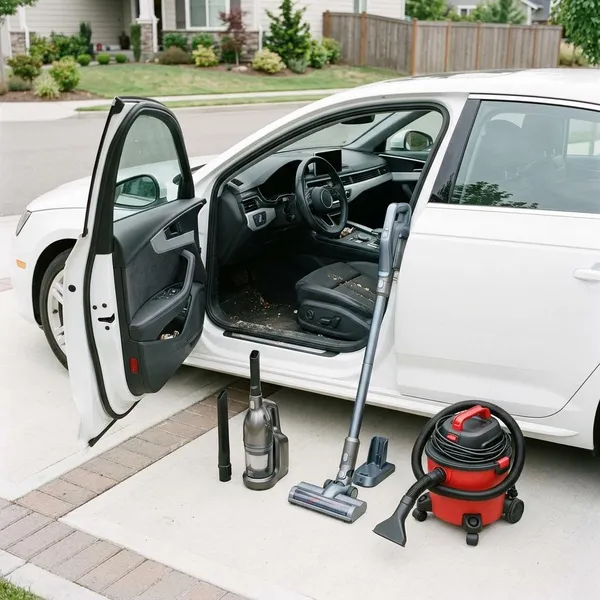
Start with your normal week, not the worst mess your car has ever had. Buying for a rare disaster often leads to a bulky vacuum you dislike using, while buying for your real routine gives you something that keeps the interior cleaner with less effort.
Match it to your usual mess
If your mess is mostly coffee-shop crumbs, dust, and the occasional dry leaf, a compact handheld is enough. If your car sees beach sand, hiking gear, sports equipment, or shedding pets, step up to stronger airflow, a better brush, or a shop-style vacuum.
- Mostly crumbs: prioritize convenience and a crevice tool.
- Mostly pet hair: prioritize a motorized brush.
- Mostly sand: prioritize airflow, mat tools, and filter access.
- Often damp: choose wet/dry capability instead of risking a dry-only model.
Choose enough power for your cleaning style
Power matters most when you clean less often or deal with embedded debris. A quick weekly cleaner can get by with moderate suction and good attachments, while someone who waits until the mats are packed with grit will appreciate stronger airflow and agitation.
Check runtime for your vehicle size
A small sedan with light debris may only need a short cordless session. A minivan with three rows, child seats, and a cargo area needs more time, especially if you remove mats and clean under the seats properly.
Look for runtime information at the stronger settings if available, because that is where many cordless models drop sharply. If you clean multiple vehicles in one session, swappable batteries or corded power becomes more important than portability.
Compare size and storage needs
The right vacuum should fit your storage situation. A trunk-friendly handheld works well for apartment parking or quick cleanups away from home; a larger shop vac makes more sense if you have a garage shelf and usually clean in the driveway.
Check the included tools
Do not pay extra for a big tool bundle unless the pieces solve your actual problems. For most drivers, the useful set is simple: crevice tool, soft brush, and either a wide mat nozzle or motorized pet brush.
Tool storage is worth checking too. Attachments that clip to the vacuum or fit in a small bag are less likely to disappear before you need them.
Consider batteries you already own
If you already use a cordless tool platform, a compatible battery shop vac can be a smart buy. Shared batteries reduce charger clutter and let you swap packs during longer cleaning sessions.
Conclusion
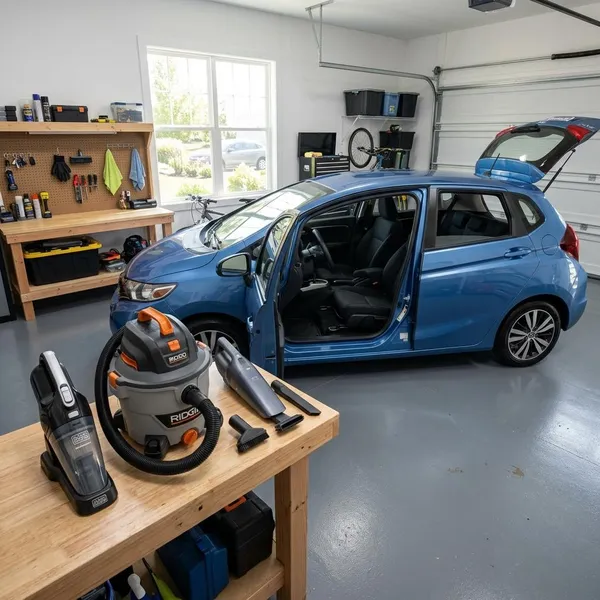
The easiest way to choose well is to match the vacuum to the mess you see most often, then make sure it has the reach and tools to clean the awkward parts of your car. A handheld is the low-effort choice for quick crumbs, a cordless stick is useful if you want one vacuum for home and car, and shop or wet/dry vacs are better when sand, heavy debris, or damp messes are part of your normal routine.